
How Thermal Imaging Monoculars Enhance Wildlife Observation Accuracy and Safety
Apr 15th 2026
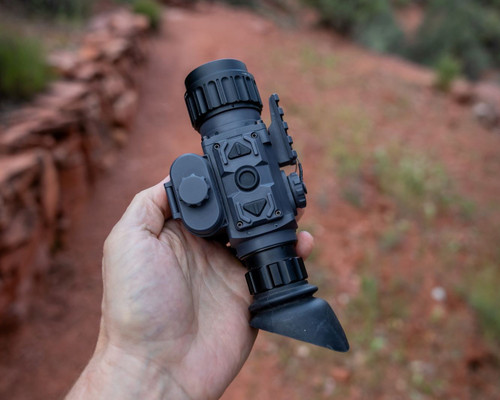
Thermal monoculars convert emitted heat into visible imagery, enabling observation in low or no light. They reveal animal heat signatures concealed from visible-light optics. The sections below summarise core technology, common field uses and the practical benefits that support safer, more accurate wildlife detection and monitoring.
Technological Features
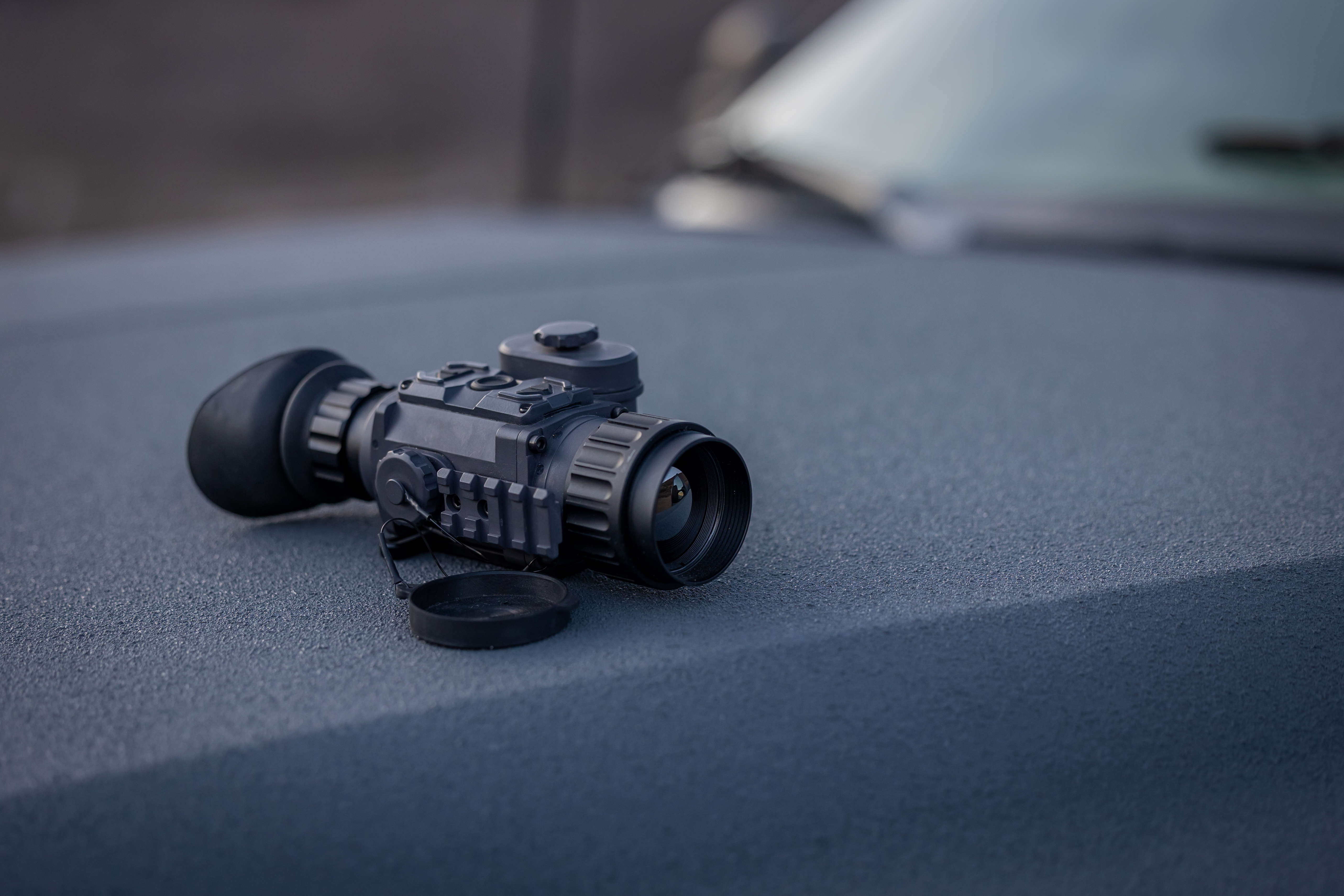
Modern thermal monoculars combine infrared detectors, focused optics and onboard processing. High-sensitivity sensors and image-enhancement algorithms improve contrast and reduce noise, helping users distinguish animals from background clutter at range.
Practical Applications
These devices serve research, land management, search and rescue and recreational observation. They allow quieter, less intrusive monitoring of behaviour, assist detection of game at low light and help locate missing persons or injured wildlife in poor-visibility conditions.
Research demonstrates infrared thermography supports safe, non-invasive studies and population monitoring, providing data inaccessible by other methods.
Infrared Thermography for Safe Wildlife Studies & Population Monitoring
In natural sciences, thermal imaging techniques support safe and non-invasive measurements and the acquisition of results that cannot be obtained by any other method. Infrared thermography also creates a wide range of applications for human and veterinary medicine, ecology, zoology, and other natural sciences. Thermal imaging equipment is used to detect injuries, inflammations, and infectious diseases to control reproduction (detection of estrus and pregnancy, determination of male fertility) and lactation processes. The discussed method is applied to investigate thermoregulation in animals, to analyze the effect of environmental factors on animal behavior, to localize individuals and their habitats, and to determine the size of wildlife populations.
Infrared thermal imaging in studies of wild animals, M Bogdaszewski, 2013
Benefits for Detecting Animals
Thermal monoculars improve field detection and support safer decisions by revealing animals obscured to the naked eye.
- Improved Detection: Detect camouflaged or hidden animals more reliably in vegetation and at night.
- Enhanced Safety: Observe from a distance and reduce the risk of dangerous encounters.
- Ethical Recovery: Aid rapid, ethical tracking and recovery of wounded animals to minimise suffering.
Peer-reviewed work shows thermal imaging increases detections in challenging habitats and improves operational efficiency across field applications.
Thermal Imaging Boosts Wildlife Detection & Culling Efficiency
Helicopter-based shooting is an effective management tool for large vertebrate pest animals. However, animals in low-density populations and/or dense habitat can be difficult to locate visually. Thermal-imaging technology can increase detections in these conditions. We used thermal-imaging equipment with a specific helicopter crew configuration to assist in aerial culling for feral pigs (Sus scrofa) and fallow deer (Dama dama) in South Australia in 2021. Seventy-two percent of pigs and 53% of deer were first detected in dense canopy/tall forest habitat. Median time from the first impact shot to incapacitation was < 12 s. The culling rate (animals hour−1) doubled compared to visual shoots over the same populations and the wounding rate was zero resulting in a incapacitation efficiency of 100%.
Thermal aerial culling for the control of vertebrate pest populations, TE Cox, 2023
Armasight , a specialised supplier of thermal optics, offers monoculars designed for professional and recreational wildlife observation.
What Is Thermal Imaging Technology and How Does It Work for Wildlife Observation?
Thermal imaging captures infrared radiation and maps temperature differences to brightness values so warm animals contrast against cooler backgrounds. This visualisation works at night and in low‑light scenarios where conventional optics fail.
How Do Thermal Monoculars Detect Animals Through Heat Signatures?
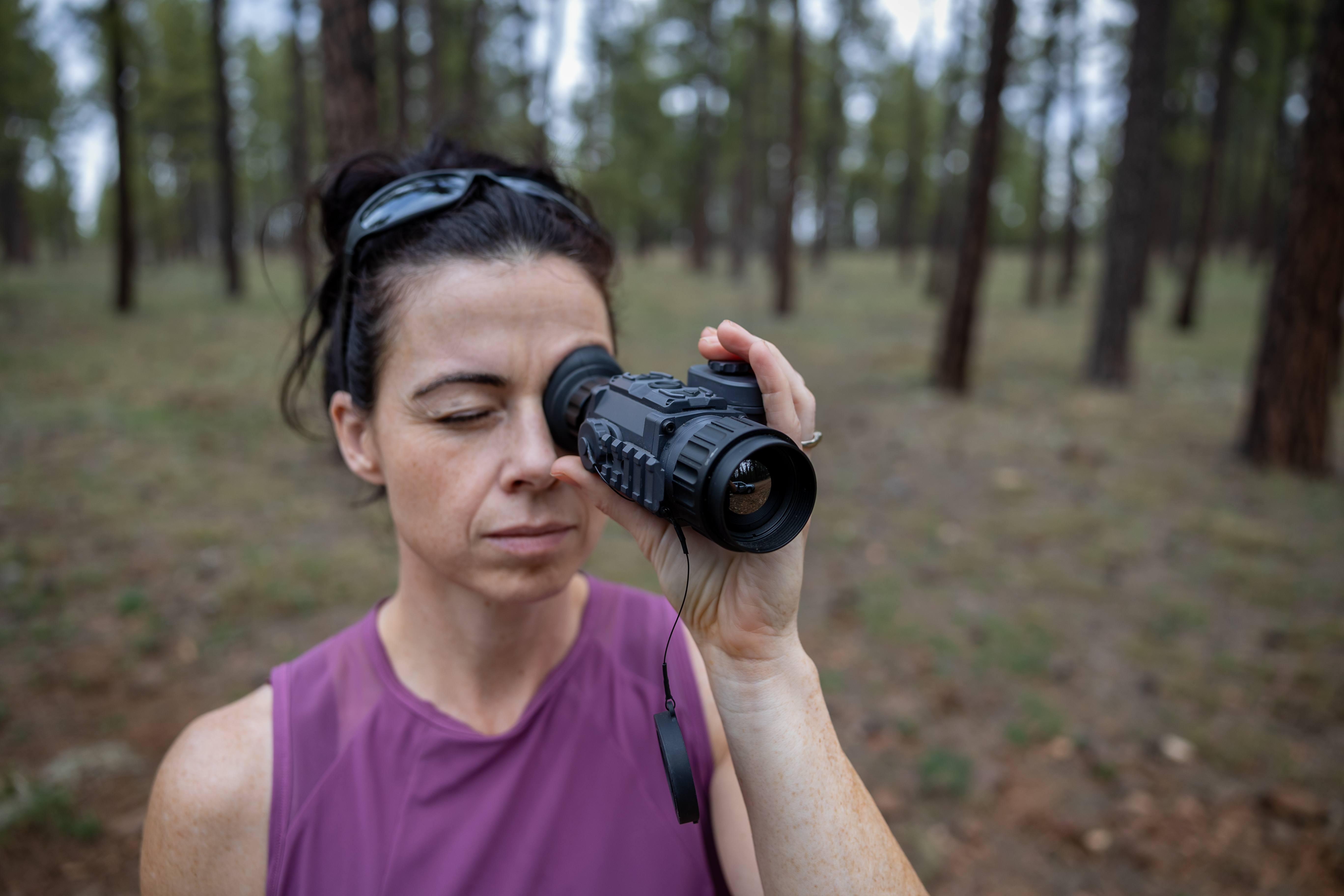
Sensitive detector arrays capture infrared emissions and electronics translate them to visible thermal images. Real‑time contrast enhancement and processing improve separation of targets from background clutter for easier identification and tracking.
What Are the Key Features of Thermal Imaging Devices for Outdoor Use?
Consider core attributes that affect field capability: detection performance, sensitivity and portability.
- Heat Detection: Ability to register small temperature differences.
- High Sensitivity: Detect faint or distant heat signatures.
- Portability: Compact, lightweight designs for easy carry.
These characteristics determine suitability across observation scenarios.
What Are the Benefits of Using Thermal Monoculars for Wildlife Observation?
Thermal monoculars extend observation time, increase detection success and improve observer safety.
- Improved Visibility: See in complete darkness for longer observation periods.
- Enhanced Detection of Wildlife: Reveal animals that remain hidden to the eye.
- Increased Safety: Maintain distance and reduce encounter risk.
These advantages make thermal monoculars practical for researchers and professional users.
How Do Thermal Monoculars Improve Detection Range and Image Clarity?
Better detectors, quality optics and image-processing pipelines extend detection range and improve clarity. Higher resolution and optimized optics enable identification at greater distances; signal processing boosts contrast and reduces artifacts.
In What Ways Do Thermal Monoculars Enhance Safety and Observation Accuracy?
Remote detection provides early warning of hazardous animals and reduces disturbance. Accurate thermal imagery supports species recognition and behavioural assessment while maintaining ethical field practices.
How to Choose the Best Thermal Monocular for Wildlife Observation Needs?
Match device performance to intended tasks by reviewing detection range, resolution and runtime requirements.
- Detection Range: Confirm effective detection distances for target species.
- Resolution: Higher resolution aids identification.
- Battery Life: Ensure runtime fits the planned deployment.
Compare specifications against typical use cases to select the right model.
What Specifications Should Be Considered: Resolution, Battery Life, and Portability?
Key specifications: resolution, battery life and portability, directly affect field performance and usability.
- Resolution: Clearer images help identify animals.
- Battery Life: Longer runtime supports extended outings.
- Portability: Weight and ergonomics influence ease of use.
Attention to these items ensures the chosen device meets operational needs.
How Do Thermal Monoculars Compare to Night Vision Devices for Wildlife Tracking?
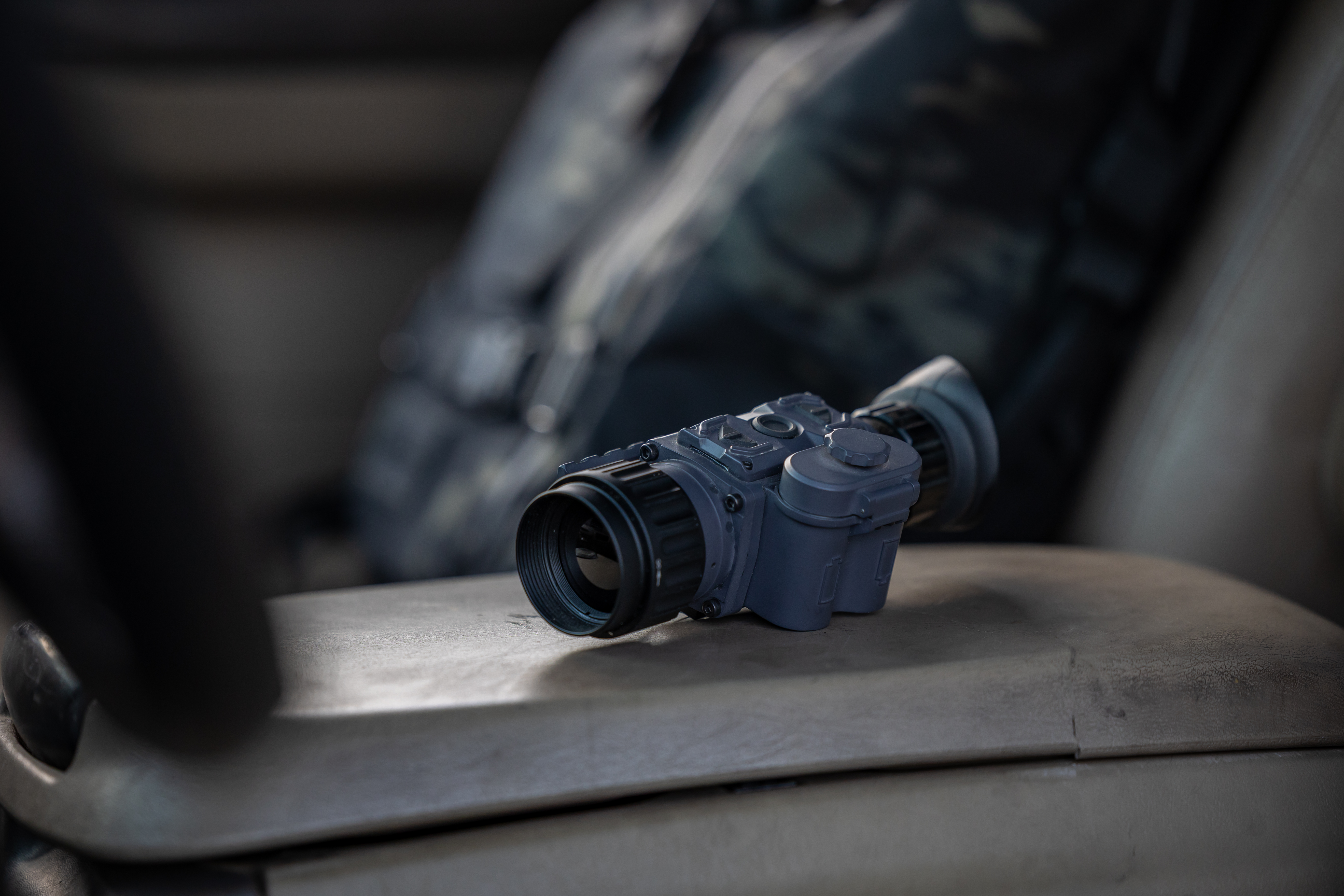
Thermal and night vision are complementary: each performs better in different conditions and for different objectives.
- Advantages of Thermal Monoculars: Detect heat in total darkness and through some obscurants.
- Limitations of Thermal Monoculars: Typically lack colour detail useful in some identifications.
- Use Case Scenarios: Use thermal for low light or obscured views; use night vision where ambient light exists.
Choose based on environment and observation goals.
Beyond direct comparison with night vision, thermal imaging; especially on unmanned platforms, has outperformed certain traditional ground-based survey methods in comparative studies.
Drone Thermal Imaging Outperforms Traditional Wildlife Detection
We provide a comparative assessment of three survey methods for the direct detection of koalas: systematic spotlighting (Spotlight), remotely piloted aircraft system thermal imaging (RPAS), and the refined diurnal radial search component of the spot assessment technique (SAT). Each survey method was repeated on the same morning with independent observers (03:00–12:00 hrs) for a total of 10 survey occasions at sites with fixed boundaries (28–76 ha) in Port Stephens (n= 6) and Gilead (n= 1) in New South Wales between May and July 2019. Koalas were directly detected on 22 occasions during 7 of 10 comparative surveys (Spotlight:n= 7; RPAS:n= 14; and SAT:n= 1), for a total of 12 unique individuals (Spotlight:n= 4; RPAS:n= 11; SAT:n= 1).
Real-time drone derived thermal imagery outperforms traditional survey methods for an arboreal forest mammal, RR Witt, 2020
What Are the Maintenance and Care Requirements for Thermal Monoculars?
Regular maintenance preserves performance and extends service life.
- Cleaning Procedures: Wipe lenses with a soft cloth; avoid abrasive materials.
- Storage Recommendations: Keep units in protective cases when not in use.
- Common Issues to Watch For: Monitor battery health and inspect for wear or damage.
Follow manufacturer guidance to maintain readiness.
How to Properly Maintain and Store Thermal Imaging Devices in the Field?
Field care requires consistent, simple practices to protect optics and power systems.
- Regular Cleaning: Remove dust and debris after use.
- Proper Storage: Use padded cases to prevent impact and moisture damage.
- Battery Management: Keep batteries charged and stored per manufacturer instructions.
Applying these practices helps ensure reliable operation during extended deployments.
What Accessories Enhance Thermal Monocular Performance for Wildlife Observation?
Useful accessories improve protection, stability and usability in the field.
- Carrying Cases: Protect and organise the device for transport.
- Lens Covers: Prevent scratches and dust on optics.
- Tripods: Stabilise the monocular for clearer images over time.
Appropriate accessories increase effectiveness and reliability in the field.
To further enhance your understanding, consider exploring thermal imaging options for wildlife observation.
Additionally, night vision devices offer alternative observation methods where ambient light is present.
Frequently Asked Questions
What types of wildlife can be observed using thermal monoculars?
Thermal monoculars suit mammals, birds and reptiles, especially nocturnal or cryptic species and individuals obscured by vegetation.
Can thermal monoculars be used in adverse weather conditions?
They operate in fog, rain and snow better than visible-light optics, but extreme conditions can reduce effectiveness; consult manufacturer limits.
How do I ensure the best performance from my thermal monocular?
Follow manufacturer care: clean optics, check batteries before deployment and learn device modes to match field conditions.
Are there any legal restrictions on using thermal monoculars for wildlife observation?
Regulations vary by jurisdiction. Some uses are restricted for hunting or monitoring; verify local laws and protected-area rules before operation.
What is the typical battery life of thermal monoculars?
Battery life depends on model and settings; most units run several hours (typical ranges ~4–10 hours). Display brightness and recording affect runtime.
Can thermal monoculars be used for other applications besides wildlife observation?
Yes. They are used in search and rescue, security, building inspection and other professional domains where night or poor visibility is a factor.
What should I look for when purchasing a thermal monocular?
Prioritise detection range, resolution and battery life, then consider weight, ergonomics and image-processing features to match your field needs.
Conclusion
Thermal monoculars increase detection capability, improve observer safety and support ethical, low‑impact monitoring. Choose a high-quality unit whose specifications align with your operational requirements to maximise field outcomes.