

Elevate Your Game: Why Use Thermal Monoculars for Hunting?
Dec 8th 2025
Why Use Thermal Monoculars for Hunting Success: Key Benefits and Field-Proven Insights
Thermal monoculars are handheld thermal-imaging tools that read heat and turn it into high-contrast images, helping you find game in darkness, dense cover, or bad weather. This guide breaks down how thermal monoculars work, the hunting advantages they deliver, and practical advice for choosing and using the right unit for your style of hunting. When visibility is poor, hunters face hidden game, missed recoveries, and safety hazards; thermal imaging solves those problems by making warm-bodied animals stand out against cooler backgrounds. Ahead you’ll learn what thermal monoculars do and how they improve detection and recovery, the core benefits for field use, a concise buyer’s checklist (resolution, detection range, battery life), and a straightforward comparison with night vision. We use hunting-first examples: stalking, stand hunting, predator control and hands-on tips for scanning and tracking wounded game so technical specs translate directly into better results. Key topics like , detection range thermal monocular, and wounded game tracking thermal are integrated into practical guidance to help you pick and use optics with confidence.
What Are Thermal Monoculars and How Do They Enhance Hunting?
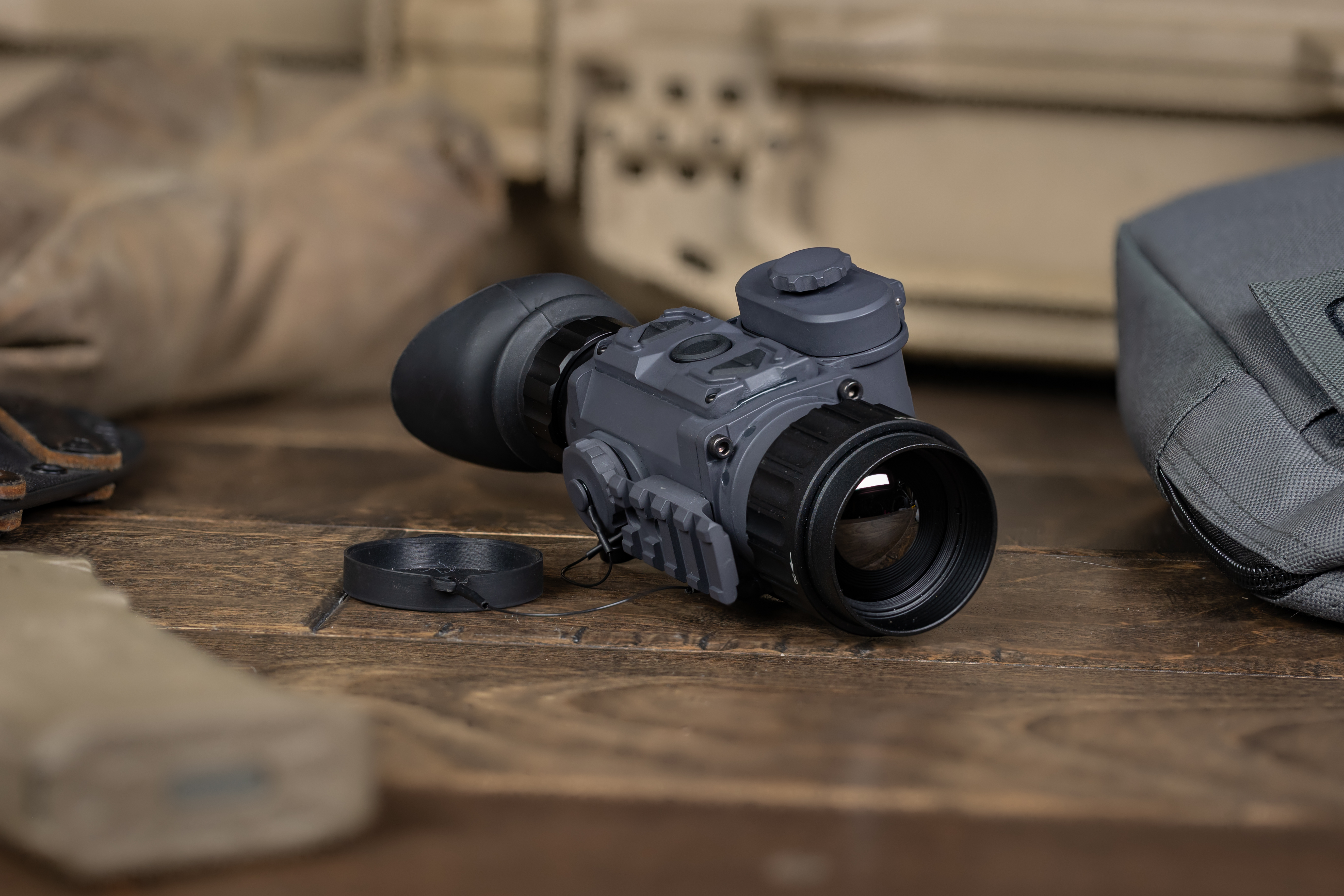
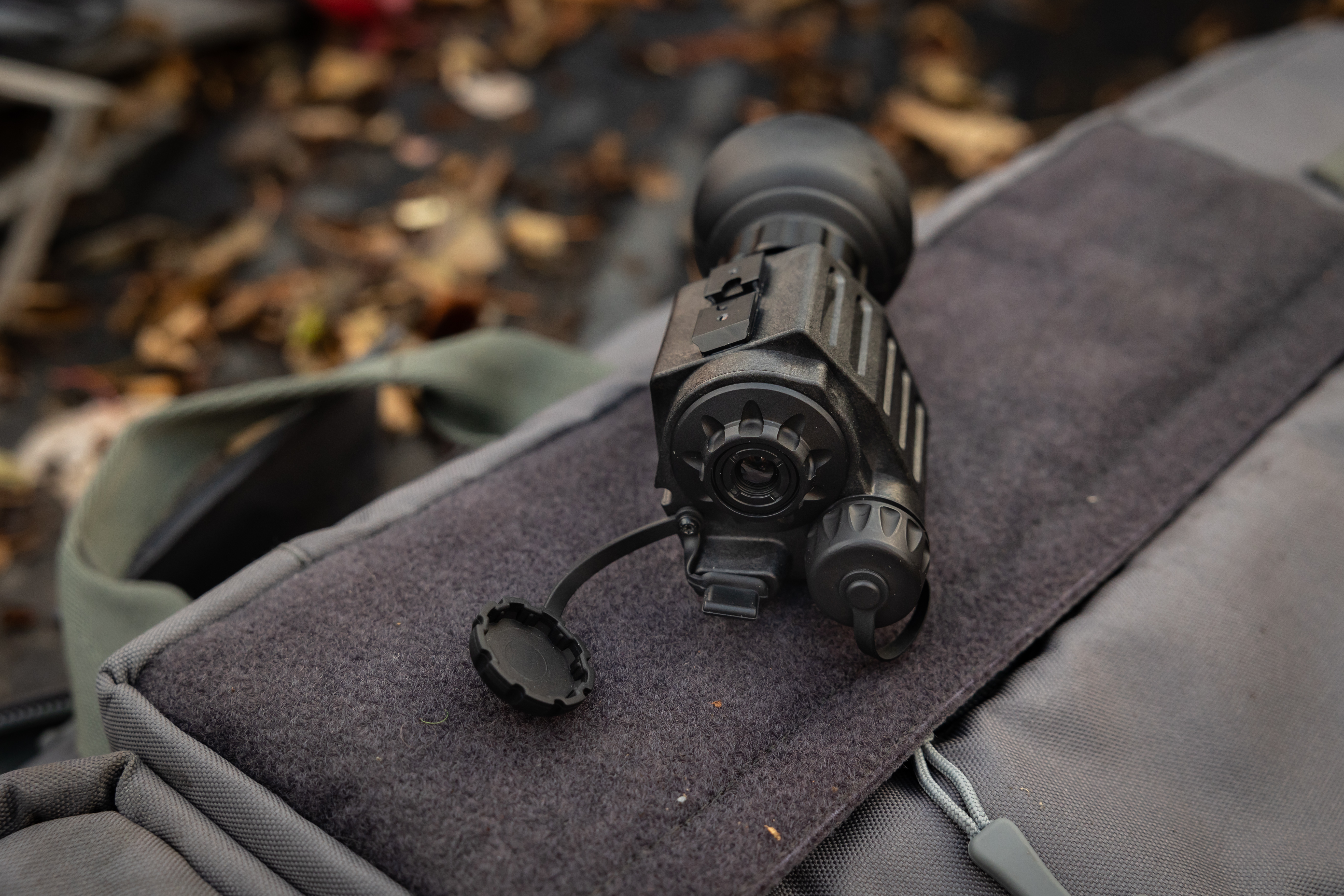
Thermal monoculars are compact devices that sense infrared (heat) and render it as a clear thermal image, allowing hunters to spot heat signatures when visibility is limited. They work by detecting temperature differences between animals and their surroundings, so warm targets stand out at night, in fog, or behind brush. The practical win for hunting is faster detection and wider situational awareness - shorter scan times and a better chance of identifying game at useful distances. Knowing how the technology works makes it clear why thermal is a that complements your optics and supports safer, more ethical hunting.
How Does Thermal Imaging Detect Game in Low Visibility?
Thermal imaging reads infrared emissions instead of relying on reflected visible light, so warm animals create a clear thermal contrast against cooler vegetation or ground. Differences in emissivity produce a heat map where body outlines, recent tracks, and temperature gradients become visible, letting you spot hogs or predators that are partly hidden. There are limits - ambient temperature and animals that match the background can reduce contrast - but in most field situations thermal signals remain decisive. A converts temperature differences into actionable visual cues for locating and following game.
Thermal Cameras: Technology and Applications Beyond Military Use
Thermal cameras are passive sensors that capture infrared radiation from any object above absolute zero. Originally developed for military surveillance and night vision, falling costs have opened wide civilian use. These sensors remove the illumination limits of greyscale and RGB cameras and extend reliable vision into darkness and obscurants. Applications range from wildlife and agriculture to building inspection, gas detection, industrial monitoring, and human detection and tracking. This survey summarizes thermal radiation basics and the core technology behind modern thermal cameras.
Source:Thermal Monocular vs Night Vision: Which Is Better?
Can Thermal Monoculars Be Used in Daylight and Night Hunting?
Yes, thermal monoculars work both day and night because they detect heat, not visible light. During the day they reveal animals hiding in shade or under foliage where color camouflage defeats normal optics; at night they highlight warm targets in total darkness. Practical considerations include sensor saturation in extremely hot conditions and managing battery life for long daytime scans. For hunters who want proven hardware, makes a range of thermal and night-vision optics, compact options and higher-resolution models, to match different hunting tasks.
What Are the Main Benefits of Using Thermal Monoculars for Hunting?
Thermal monoculars deliver measurable advantages for hunters prioritizing detection, safety, ethical recovery, and versatility across terrain and weather. They increase early detection odds, cut accidental encounters by revealing human heat signatures and obstacles, speed wounded-game tracking with residual heat trails, and perform reliably in fog or heavy canopy. The below links device attributes to real hunting outcomes so you can prioritize what matters for your use case.
| Feature | Device Attribute | Hunting Outcome |
|---|---|---|
| Detection Range | Sensor resolution & lens magnification | See game at practical distances for better decision-making |
| Target Clarity | NETD and pixel resolution | Identify species instead of just detecting a blob, supports ethical shots |
| Runtime | Battery capacity and swap options | Longer sessions and reliable overnight recovery |
| Durability | Build quality and weather sealing | Dependable performance in rough field conditions |
Use this table to match a monocular’s specs to the you care about: detection, identification, and recovery.
In practical terms, thermal monoculars change field results by offering:
- Improved Detection: Find heat signatures through darkness, brush, and fog to locate game sooner.
- Enhanced Safety: Spot other hunters and human heat sources to avoid accidental encounters.
- Ethical Recovery: Track residual heat to locate wounded animals faster and reduce suffering.
- Versatility: Reliable detection across day, night, and varied terrain.
How Do Thermal Monoculars Improve Game Detection and Tracking?
Thermals improve detection when paired with deliberate scanning techniques and enough range to act before animals close distance. Use a simple scanning checklist to convert device capability into consistent field practice. can enhance your capabilities further.
- Begin with slow horizontal sweeps to pick up thermal blobs along the horizon.
- Follow with targeted vertical checks for low cover and likely travel lanes.
- Confirm targets by watching for movement and reading heat gradients.
Higher-resolution sensors reduce thermal clutter and help you separate animal shapes from background noise. Following a heat trail means tracking temperature changes and scanning the edges of cover. Practice these steps in different environments so you can quickly decide to engage, observe, or track, turning raw detection into informed.
In What Ways Do Thermal Monoculars Enhance Hunter Safety and Ethical Practices?
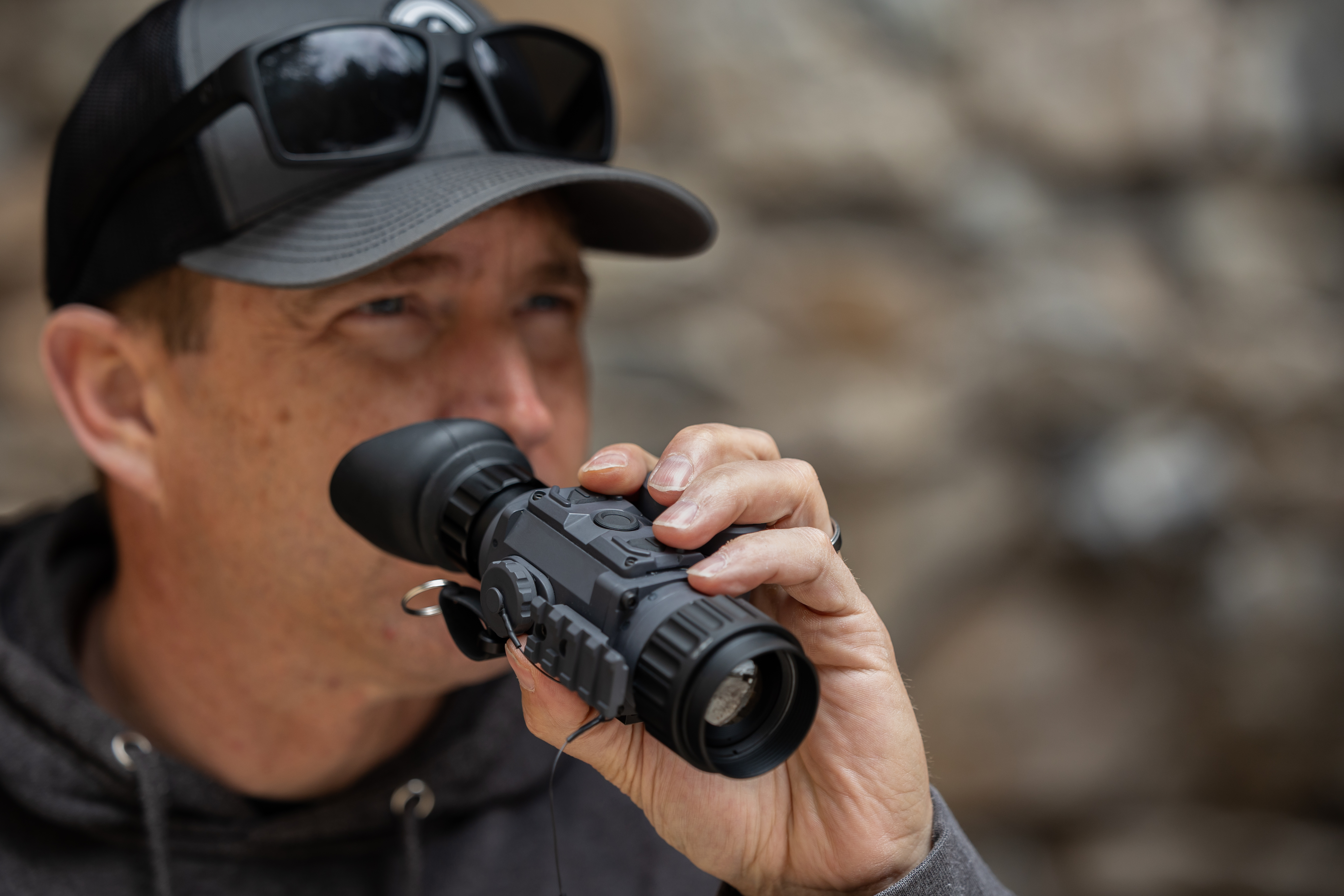
Thermal monoculars boost safety by revealing human heat signatures and obstacles during low-visibility approaches, cutting the risk of misidentification that can lead to unsafe shots. They support ethical hunting by shortening recovery times for wounded game, locating residual heat reduces tracking time and animal suffering. Responsible use also means following local laws; thermal tools don’t change legal restrictions on night hunting. Combine thermal detection with and solid recovery protocols to improve outcomes for human safety and wildlife welfare.
How to Choose the Best Thermal Monocular for Your Hunting Style?
Pick a thermal by matching technical specs and physical features to your typical scenarios: stand hunting, spot-and-stalk, or predator control. Prioritize a balanced package: resolution and NETD for identification, detection range for long-view situations, and battery life plus weight for extended mobile use. Don’t forget ergonomics and mounting options when finalizing your choice.
- Resolution & NETD: Choose higher pixel counts and lower NETD for clearer identification at range.
- Detection Range: Match the device’s detection distance to expected engagement ranges and terrain.
- Battery Life & Weight: Favor longer runtime and lighter weight when mobility matters.
This checklist turns technical priorities into a decision flow: if you hunt on the move, prioritize weight and battery; if long-range detection is critical, prioritize resolution and larger magnification.
| Model | Key Attributes | Recommended Use-Case |
|---|---|---|
| Compact thermal monocular | Lightweight, short-to-medium range | Spot-and-go predator work and scouting |
| Armasight Sidekick 320 Mini | Small form factor, portable detection | Quick scans from blinds and short-range stalking |
| Armasight Warden 640 2-8x35 | Higher resolution, variable magnification | Long-range detection and ID from stands |
This quick comparison helps you match models to scenarios: compact units favor mobility, while higher-resolution models support identification at distance. When buying, weigh detection needs against form-factor trade-offs and plan battery strategies for longer outtings.
What Features Matter Most: Resolution, Detection Range, and Battery Life?
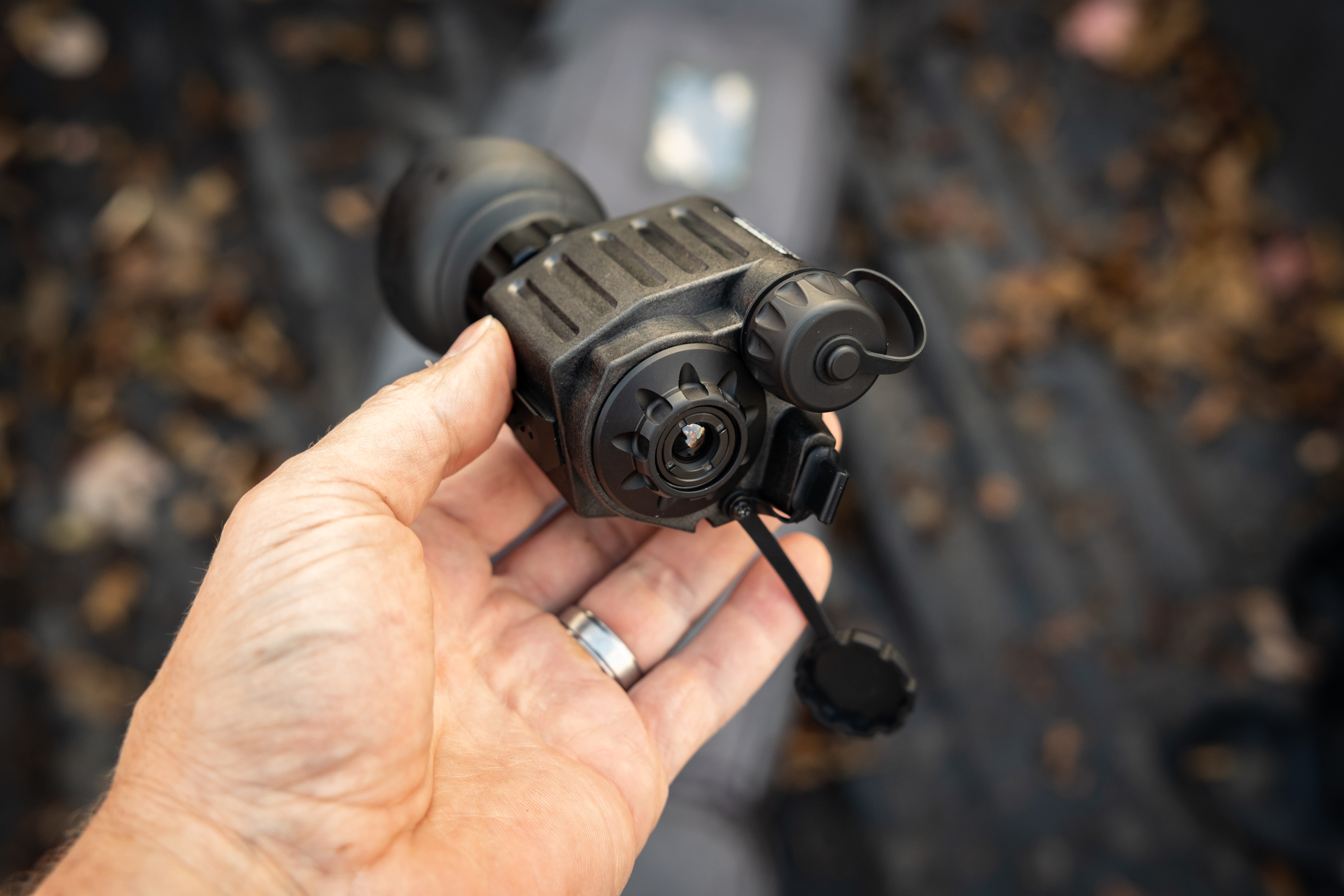
Resolution, NETD, and detection range decide whether a thermal monocular shows a heat blob or clearly identifies species at practical ranges. Resolution (pixel array) and NETD (sensor sensitivity) shape image fidelity; lower NETD improves contrast for subtle temperature differences. Detection range depends on lens size, sensor quality, and environment, so published figures are ideal-case guides. Battery life and power options determine how long you can scan or carry out overnight recovery. Consider replaceable batteries or external power banks as part of your plan.
Which Armasight Models Are Ideal for Different Hunting Conditions?
Armasight offers everything from compact monoculars for close predator work to higher-resolution monoculars and scopes for stand hunting and long-range detection. For fast, on-the-move hunts, compact models like the prioritize low weight and portability. Larger, higher-resolution options such as the Warden 640 2-8x35 favor detection and identification at distance. The trade-offs are straightforward: larger units deliver longer battery life and greater range, while mini models boost agility and concealment, choose what fits your workflow and terrain.
How Do Thermal Monoculars Compare to Night Vision for Hunting Success?
Thermal imaging and night vision address different priorities: thermal excels at detection through obscurants and in total darkness, while night vision amplifies available light for finer recognition and preserves optical detail at close range. Choose based on whether your priority is detection-first (thermal) or close-range identification and detail (night vision). Many hunters get the best results by or using clip-ons and multifunctional setups to leverage both technologies.
What Are the Advantages of Thermal Imaging Over Night Vision?
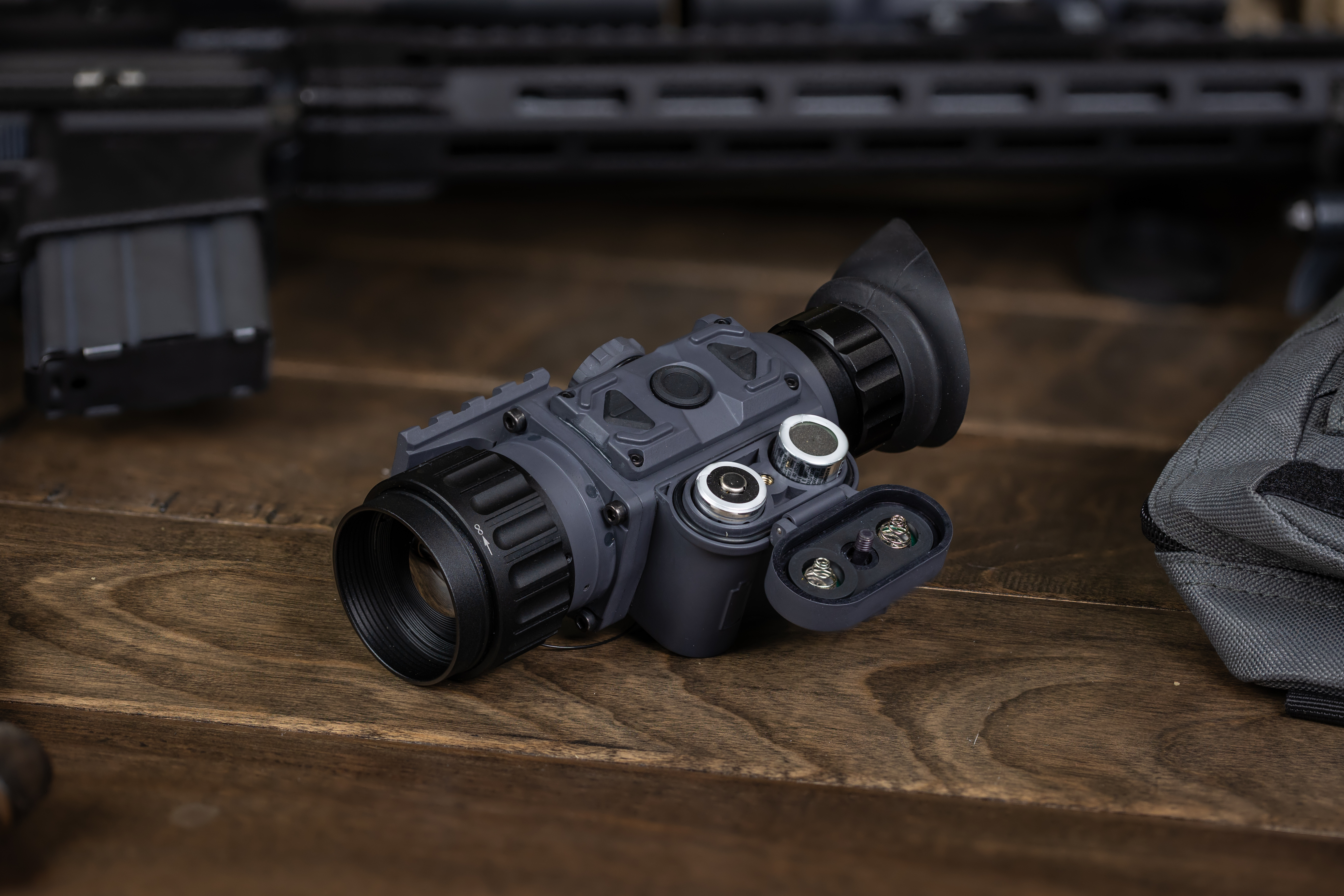
Thermal imaging provides stronger detection in full darkness, fog, and foliage because it uses temperature contrast rather than ambient light, making it better at spotting animals hidden by cover. Thermal units also remove the need for external light sources that can spook game or be impractical in remote areas. Those strengths make thermal monoculars especially useful for predator control, hog hunting, and wounded-game tracking where quickly finding a warm target is the priority. Night vision still wins for fine recognition and low-light detail, but thermal remains the superior tool for tasks.
When Should Hunters Prefer Thermal Monoculars Instead of Night Vision Devices?
Choose thermal monoculars when detection and tracking in variable visibility are top priorities; hog and predator control, wounded-game recovery, or working in fog and dense brush. If your main goal is to examine markings, color, or fine detail where ambient light provides context, night vision or a hybrid setup may be better. A practical workflow is thermal for initial detection and night vision for close-range confirmation where legal and appropriate. Pick devices that integrate with your outcomes.
- Detection priority: Use thermal for searching and tracking in low visibility.
- Identification priority: Use night vision or combined systems when close-range detail matters.
- Hybrid workflow: Find with thermal, confirm with night vision where permitted.
This decision framework turns your operational goals into a clear choice between detection-first and recognition-first tools, ensuring your optics match your and ethical recovery priorities.
Frequently Asked Questions
1. What is the difference between thermal monoculars and thermal scopes?
Thermal monoculars and thermal scopes serve different purposes in hunting. Monoculars are handheld devices designed for quick scanning and situational awareness, allowing hunters to detect heat signatures over a wide area. In contrast, thermal scopes are mounted on firearms and provide magnification for precise targeting. While monoculars are ideal for initial detection and tracking, scopes enhance accuracy for shooting at longer distances. Choosing between them depends on your hunting style and specific needs in the field.
2. How do I maintain my thermal monocular for optimal performance?
To maintain your thermal monocular, regularly clean the lens with a soft, lint-free cloth to avoid scratches and ensure clear images. Store the device in a protective case when not in use to prevent damage from impacts or moisture. Check the battery regularly and replace it as needed to avoid unexpected failures during use. Additionally, keep the device away from extreme temperatures and direct sunlight to preserve its internal components and overall functionality.
3. Can thermal monoculars help in wildlife observation beyond hunting?
Yes, thermal monoculars are excellent tools for wildlife observation beyond hunting. They allow enthusiasts to monitor animal behavior during nighttime or in dense foliage without disturbing the animals. The ability to detect heat signatures makes them useful for studying nocturnal species, tracking migration patterns, or conducting wildlife surveys. Additionally, they can be employed in conservation efforts to monitor endangered species or assess habitat use without the need for intrusive methods.
4. Are there legal restrictions on using thermal monoculars for hunting?
Yes, there are legal restrictions regarding the use of thermal monoculars for hunting, which vary by region. Some areas may prohibit their use during specific hunting seasons or for certain game species. It's essential to check local hunting regulations and laws to ensure compliance. Additionally, while thermal monoculars can enhance safety and ethical practices, hunters must still adhere to all legal requirements regarding hunting methods and equipment.
5. What should I consider when using thermal monoculars in different weather conditions?
When using thermal monoculars in varying weather conditions, consider factors such as ambient temperature, humidity, and precipitation. High humidity or rain can affect thermal performance by creating a thermal blanket that reduces contrast. Additionally, extremely hot conditions may cause sensor saturation, making it harder to detect heat signatures. Adjust your scanning techniques accordingly, and be aware of how these conditions can impact visibility and detection capabilities in the field.
6. How do I improve my skills in using thermal monoculars effectively?
Improving your skills with thermal monoculars involves practice and familiarity with the device. Start by learning the basic scanning techniques, such as slow horizontal sweeps and targeted vertical checks. Spend time in different environments to understand how temperature variations affect detection. Additionally, consider joining workshops or training sessions focused on thermal imaging to gain insights from experienced users. Regular practice will enhance your ability to quickly identify and track game in various conditions.
7. What are the common misconceptions about thermal monoculars?
Common misconceptions about thermal monoculars include the belief that they are only useful at night or that they can see through walls. In reality, thermal monoculars work effectively in both day and night conditions, detecting heat signatures regardless of light availability. However, they cannot penetrate solid objects like walls or dense foliage. Understanding these limitations is crucial for setting realistic expectations and maximizing the benefits of thermal imaging technology in hunting and observation.
Conclusion
Utilizing thermal monoculars significantly enhances your hunting experience by improving detection, safety, and ethical recovery practices. These advanced tools allow you to spot game in low visibility conditions, ensuring a more successful and responsible hunt. By understanding the key features and benefits, you can make informed decisions that align with your hunting style. Explore our range of thermal monoculars today to elevate your outdoor adventures.